
Healthy Food Swaps for Digestion: Simple Ways to Reduce Bloating Naturally

Updated: Apr 5
Feeling bloated after meals is a common problem that can make you uncomfortable and affect your daily life. Often, the foods you choose play a significant role in how well your digestive system functions. Instead of reaching for supplements or complicated remedies, simple changes in your diet can improve digestion naturally and reduce bloating significantly. This post explores practical food swaps and habits that support a healthier gut and a happier belly.

Healthy Food Swaps for Digestion — Swap White Bread for Whole Grains
White bread is made from refined flour that lacks fiber, which is essential for good digestion. Fiber helps move food through your digestive tract and supports healthy gut bacteria. When you swap white bread for whole grain options like whole wheat, rye, or spelt bread, you increase your fiber intake and reduce the chances of constipation and bloating.
Whole grains also contain more vitamins and minerals that support digestion, such as magnesium and B vitamins. Try replacing your sandwich bread or toast with whole grain varieties. You can also explore other whole grains like quinoa, brown rice, or barley as part of your meals.
Example: Instead of a white bread sandwich, try a whole wheat wrap filled with grilled chicken and fresh veggies. This swap adds fiber and nutrients without sacrificing taste.
Replace Soda With Water or Herbal Tea
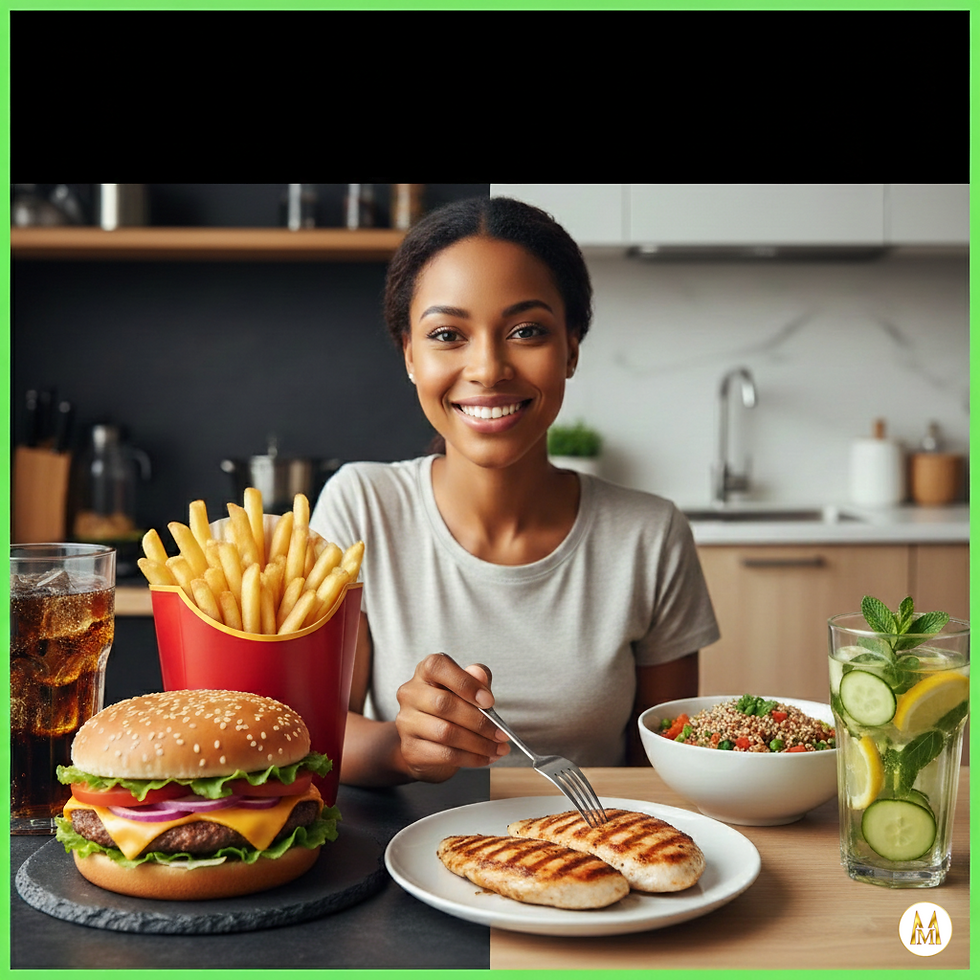
Soda is loaded with sugar and artificial ingredients that can upset your stomach and cause gas. The carbonation in soda also introduces extra air into your digestive system, which can lead to bloating.
Switching to water or herbal teas like peppermint, ginger, or chamomile can soothe your digestive tract and keep you hydrated. Herbal teas have natural compounds that help reduce inflammation and relax your digestive muscles.
Tip: Carry a reusable water bottle and infuse it with slices of lemon, cucumber, or fresh mint for a refreshing alternative to soda.
Choose Grilled or Baked Foods Instead of Fried
Fried foods are harder to digest because they contain high amounts of unhealthy fats. These fats slow down digestion and can cause discomfort and bloating. Grilled or baked foods use less oil and retain more nutrients, making them easier on your stomach.
For example, swap fried chicken for grilled chicken breast or baked fish. Roasting vegetables instead of frying them also preserves their fiber and vitamins while reducing fat content.
Example: Prepare baked sweet potato fries instead of deep-fried ones for a tasty, gut-friendly option.
Eat Slower and Chew Well
How you eat is just as important as what you eat. Eating too quickly can cause you to swallow excess air, leading to bloating. Taking your time to chew food thoroughly helps break it down into smaller pieces, making it easier for your stomach to digest.
Try to put your fork down between bites and focus on the flavors and textures of your meal. This mindful eating practice not only improves digestion but also helps you recognize when you are full, preventing overeating.
Choose Real, Whole Foods
Processed foods often contain additives, preservatives, and artificial ingredients that can irritate your digestive system. Choosing real, whole foods like fresh fruits, vegetables, nuts, seeds, and lean proteins supports your gut health naturally.
Whole foods provide fiber, antioxidants, and essential nutrients that promote a balanced gut microbiome. For example, eating an apple with the skin on gives you fiber and natural sugars that feed good bacteria in your intestines.
Additional Tips for Better Digestion
Stay hydrated: Drinking enough water helps dissolve fats and soluble fiber, allowing these substances to pass through your digestive system smoothly.
Include probiotics: Foods like yogurt, kefir, sauerkraut, and kimchi contain beneficial bacteria that support digestion.
Limit high-fat and spicy foods: These can irritate your stomach lining and cause discomfort.
Avoid overeating: Large meals can overwhelm your digestive system and cause bloating.
Finally
Improving digestion doesn’t require extreme diets or complicated solutions. Small, consistent food swaps—like choosing whole grains over refined carbs, water over soda, and grilled foods over fried—can make a noticeable difference in how you feel after meals. When you combine these changes with mindful eating and a focus on whole, natural foods, you support your gut in a simple and sustainable way.
Remember, better digestion is built through daily habits. Start with one or two swaps, stay consistent, and pay attention to how your body responds. Over time, these small adjustments can lead to less bloating, more comfort, and a healthier, happier belly.
🎥 Watch the video Healthy Food Swaps Digestion below.
Learn More About MendiTherapy
You Might Also Like These Healthy Food Swaps
Menditherapy Full list of healthy food swaps
Healthy Food Swaps For Digestion Video and other
Comments